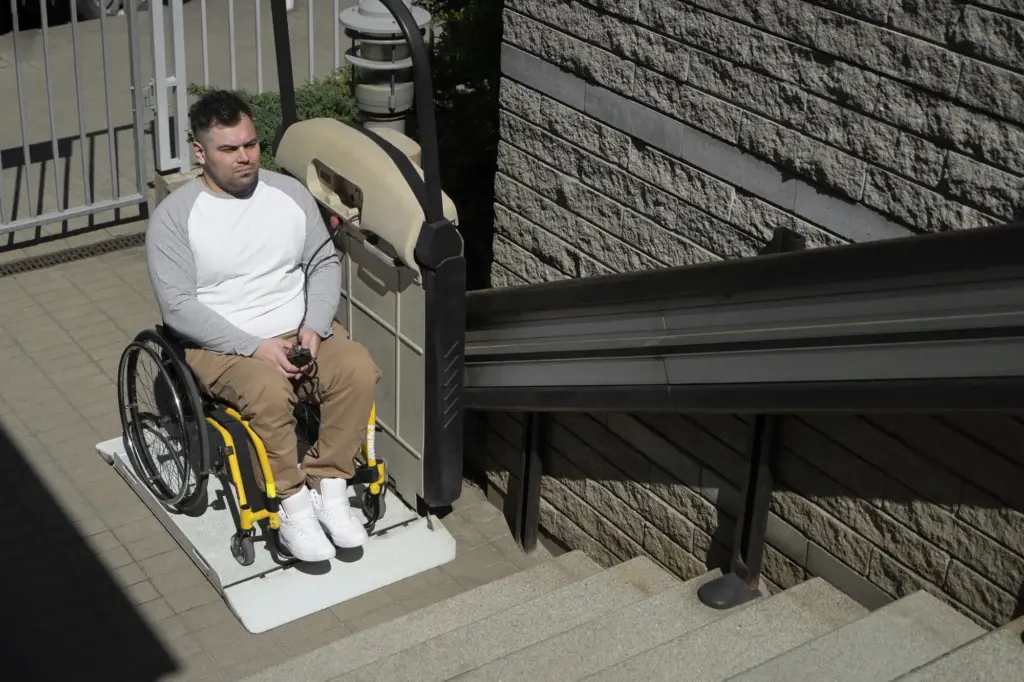
Rolling Into the Woods Without a Car

Celebrate wheelchair- and stroller-accessible woodland paths that welcome everyone, no car required. We focus on step-free transit connections, gentle grades, stable surfaces, and thoughtful rest spots so families, friends, and solo explorers can breathe forest air, hear birdsong, and enjoy restorative time outdoors with confidence, dignity, and joy while relying on buses, trains, or trams.

Car-Free Gateways to Green

From Station to Trailhead
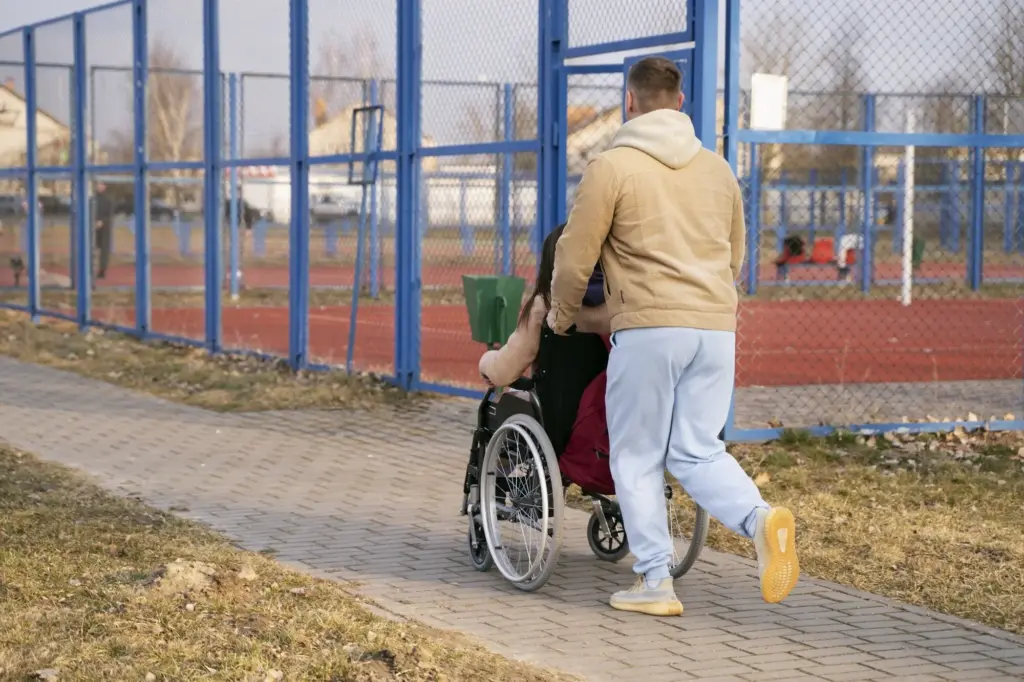
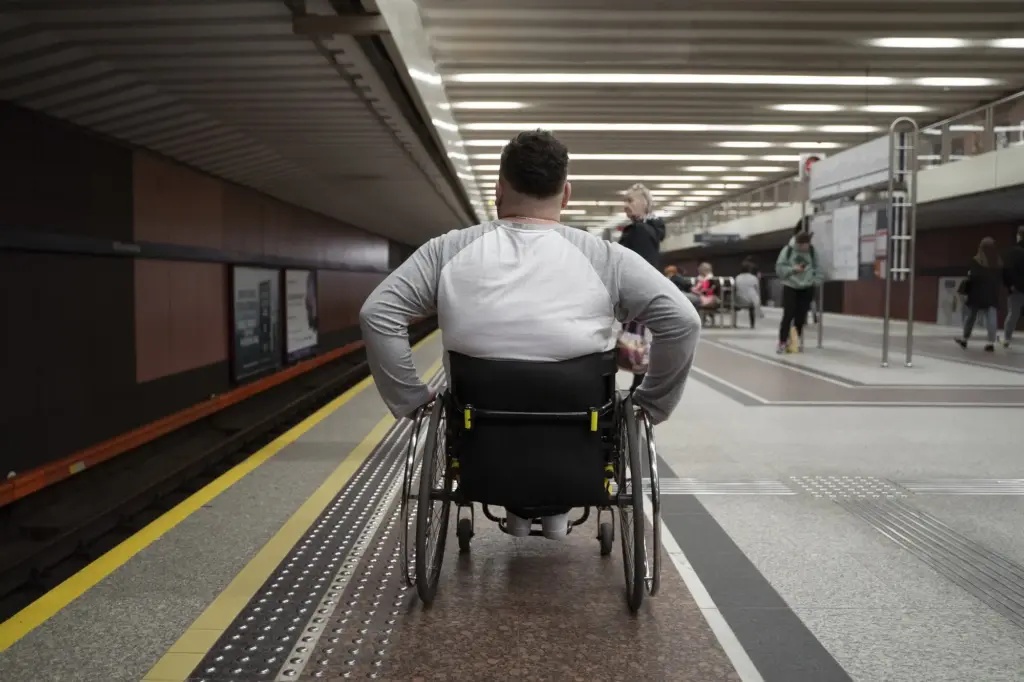
Map a route that uses step-free stations, elevators in service, smooth curb cuts, and clearly marked crossings. Aim for trailheads within an easy, obstacle-free roll or push from the stop, avoiding steep shortcuts. When possible, choose promenades, greenways, or shared-use paths linking directly to the woods, easing the last stretch and preserving energy for the trees ahead.

Low-Floor Buses and Step-Free Access

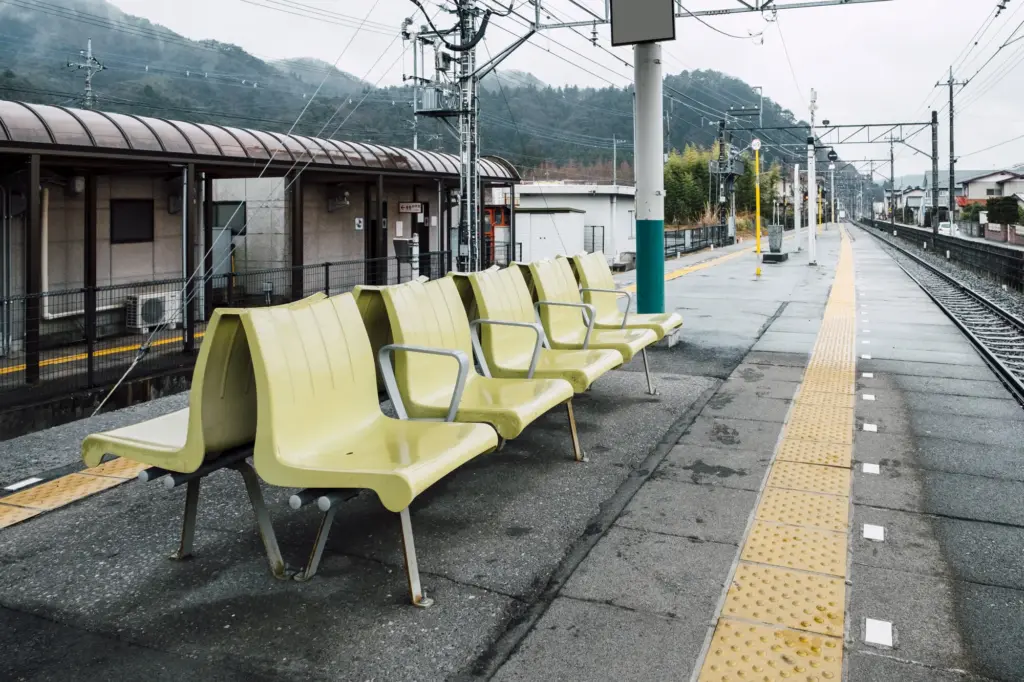
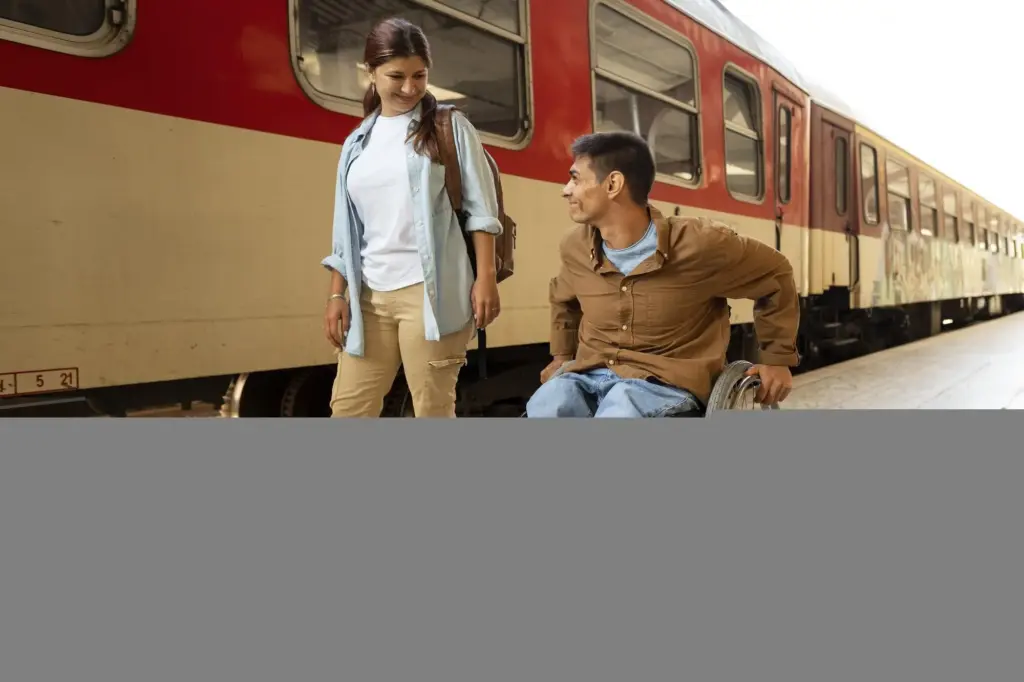
Prioritize lines with low-floor buses, wide doors, and reliable ramps. If travel apps display wheelchair icons, confirm real-time accessibility before boarding. At arrival, check for tactile paving, audible signals, and level boarding islands. These small features compound into comfort, reducing bumps, awkward angles, and stress, and ensuring the transition from vehicle to forest begins as calmly as the birdsong you are seeking.

Timing the Trip

Travel during off-peak hours to secure space for a wheelchair or roomy stroller, and to avoid hurried crowds around doors and lifts. Build generous buffers for transfers, scheduling time for elevator detours or maintenance surprises. In cooler seasons, daylight matters, so plan a return before dusk. Careful timing protects energy, supports safety, and keeps the day flexible and enjoyable.

Smooth, Gentle, and Secure Under Wheels
A woodland route can be beautiful and comfortably rollable when surface, gradient, width, and rest points work together. Seek compacted fines, asphalt, boardwalks with flush joints, and gentle slopes. Many standards favor sustained gradients around five percent or less, with level landings on steeper sections, consistent edges, and clear sightlines to help everyone move predictably and confidently among trees and light.

Gear That Makes the Journey Easier

Strollers Built for the Woods

Look for sturdy frames, decent suspension, and larger, puncture-resistant tires with enough tread for mild forest grit. Lockable swivels stabilize front wheels on uneven grades. Five-point harnesses calm wiggly passengers; rain covers, sun canopies, and footmuffs extend seasons. A supportive wrist strap, reflectors, and a modest bell add control, visibility, and communication, especially on shared paths where courteous signals prevent surprises.

Wheelchair Tweaks for Forest Comfort

Well-inflated tires reduce rolling resistance, gloves protect hands, and a compact anti-tip solution can offer reassurance on unexpected cambers. Consider a front caster designed for gravel or a clip-on power assist for long, gentle inclines. Bring a puncture kit and a small multi-tool. A lap bag, water holster, and lightweight blanket keep essentials close while leaving movement unrestricted and natural.

Packing the Smart Way

Distribute weight low and stable to preserve steering. Bring water, high-energy snacks, a simple first-aid kit, wipes, spare layers, and a lightweight picnic mat for forest-floor breaks. Download offline maps and save the transit return in case of signal loss. A microfiber towel, compact poncho, and small trash bag turn minor hiccups into simple footnotes rather than day-stealing dramas.

Real Moments from Real Paths

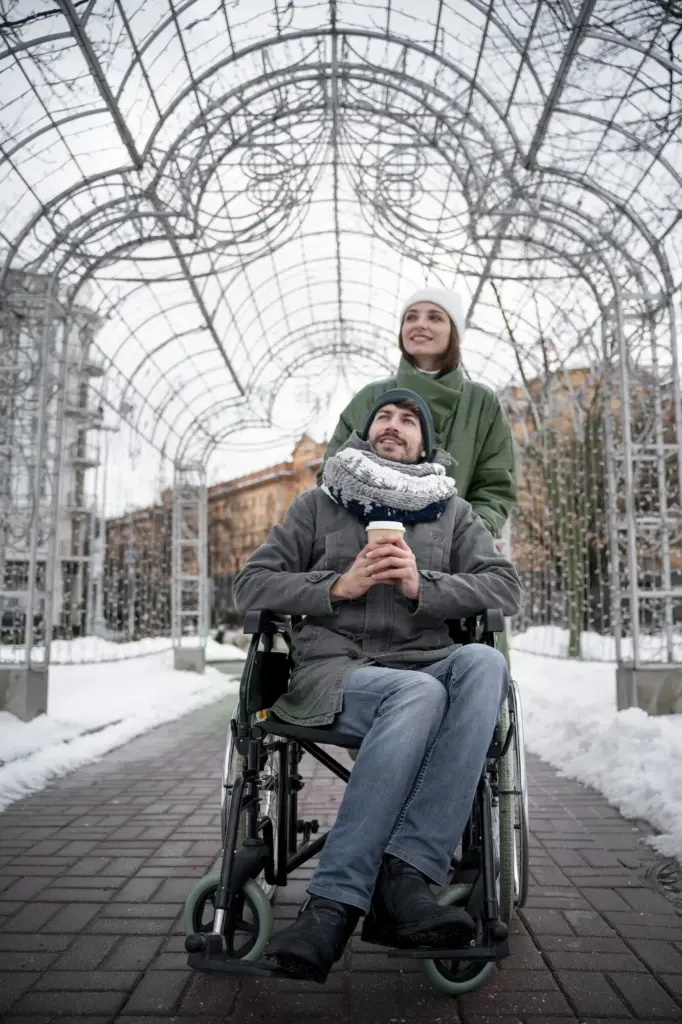
Stories turn checklists into memories. Thoughtful planning brings laughter to life among pines, where an easy curve reveals sunlight on ferns and a bench becomes a grandstand for robins. Gentle grades, predictable textures, and considerate design let families and friends notice details, pause freely, and share the kind of unhurried wonder that keeps everyone returning, season after season.

Kindness, Courtesy, and the Living Forest
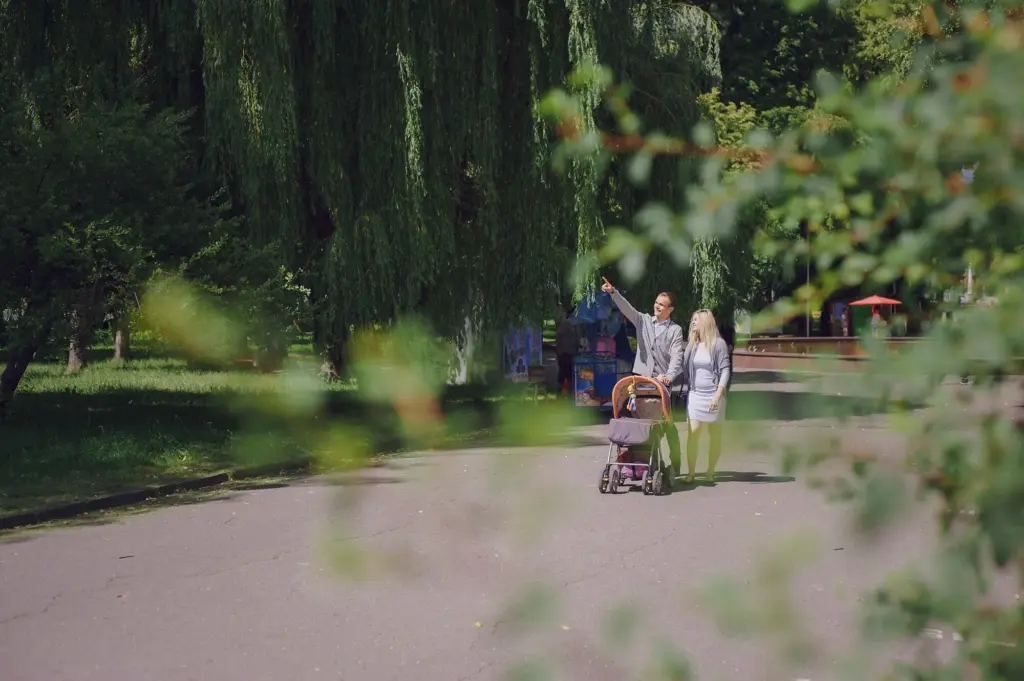
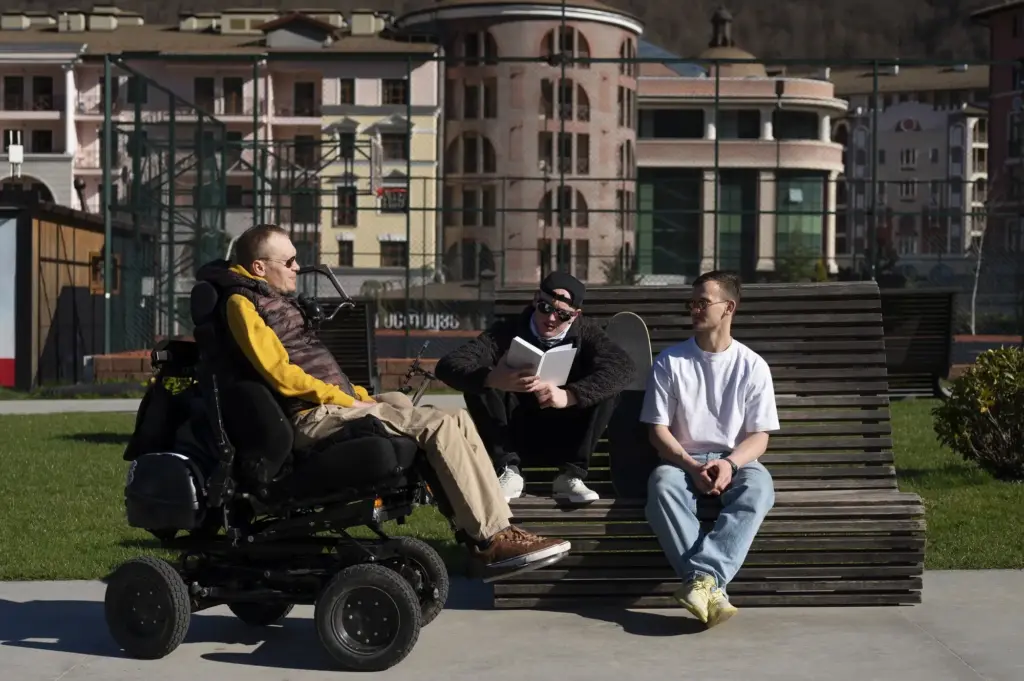
Shared woodland paths welcome feet, wheels, paws, and occasional bikes. Clear communication keeps the forest friendly. Bells or gentle voices prevent surprises, while yielding on narrow spots respects momentum and safety. Respect for plants, wildlife, and fellow travelers shapes a peaceful rhythm where everyone can pass through the same green corridor and still feel they truly belong.

Sharing Space Without Stress

On narrow segments, a brief pause at a wider turnout helps everyone breathe. Call out your approach early, keep speeds steady, and announce passes calmly on the left where customary. Dogs on short leads reduce tangles. A quick thank you lifts spirits, and patient glances communicate goodwill faster than signs. The forest absorbs kindness and returns it as calm.

Leave No Trace with Little Ones

Pack out wipes, snack wrappers, and every diaper. A small sealable bag keeps things tidy until the next bin. Stay on durable surfaces to protect roots and moss, and keep strollers out of muddy verges where fragile plants recover slowly. Small hands can help collect leaf pictures, not leaves, learning stewardship while the woodland remains whole for tomorrow’s visitors.

Wildlife Watching, Gently

Observe from a respectful distance, using quiet voices and slow movements so birds continue feeding and deer feel safe. Avoid sudden bell rings near nesting spots. Binoculars turn distant details into close moments without stepping off path edges. Share sightings with others downstream so they can prepare calmly, keeping encounters magical rather than startling for both animals and people.

Maps, Apps, and People Who Help

Finding Trusted Information

Look for park pages that list step-free entrances, surface types, and seasonal maintenance. Some apps highlight wheelchair-friendly and stroller-ready routes, letting you filter for distance, elevation, and transit connections. Cross-check photos to confirm path width and edges. A saved offline map protects against signal dips, turning uncertainty into a calm, navigable pause rather than a disorienting scramble.

Report Back and Uplift Others

After your visit, post surface conditions, elevator status, temporary closures, and resting spots with shade. Share whether gates latched easily and if bridge joints rattled wheels. Short videos of tricky corners help future visitors decide confidently. By contributing data, you create momentum that travels farther than footprints, shaping gentle experiences for strangers who will soon feel like neighbors.

Join the Conversation

Connect with local disability advocates, parent groups, and transit riders who love green spaces. Ask for route suggestions with exact stop names and accessible exits, then return with updates. Over time, a living list of dependable, car-free woodland escapes emerges. Community knowledge turns isolated attempts into an evolving map of joy, resilience, and shared belonging beneath welcoming canopies.

Tavolentodexomexopentotunodari
Privacy Overview

This website uses cookies so that we can provide you with the best user experience possible. Cookie information is stored in your browser and performs functions such as recognising you when you return to our website and helping our team to understand which sections of the website you find most interesting and useful.