Seasonal Splendours on Foot and by Rail

Join us as we explore Seasonal Splendours: Car-Free Visits to Bluebell Woods and Autumn Colour Hotspots, celebrating gentle journeys that trade traffic for birdsong, timetables for unhurried paths, and emissions for wonder. We’ll share accessible routes, mindful etiquette, and soulful stories that invite you to breathe deeper, notice more, and let the forest’s changing palette guide every step of your adventure.

Timing the Bloom

Bluebells tend to peak from late April into early May, shifting with latitude, altitude, and recent weather. Cooler springs linger the bloom; sudden warmth can shorten it. Check local ranger updates, social posts from walkers, and garden calendars. Aim for early mornings or weekday afternoons when paths are quieter, scents feel sweeter, and photography captures graceful mist, dancing light, and dew-kissed bells swaying like soft chimes.

Where Petals Meet Platforms

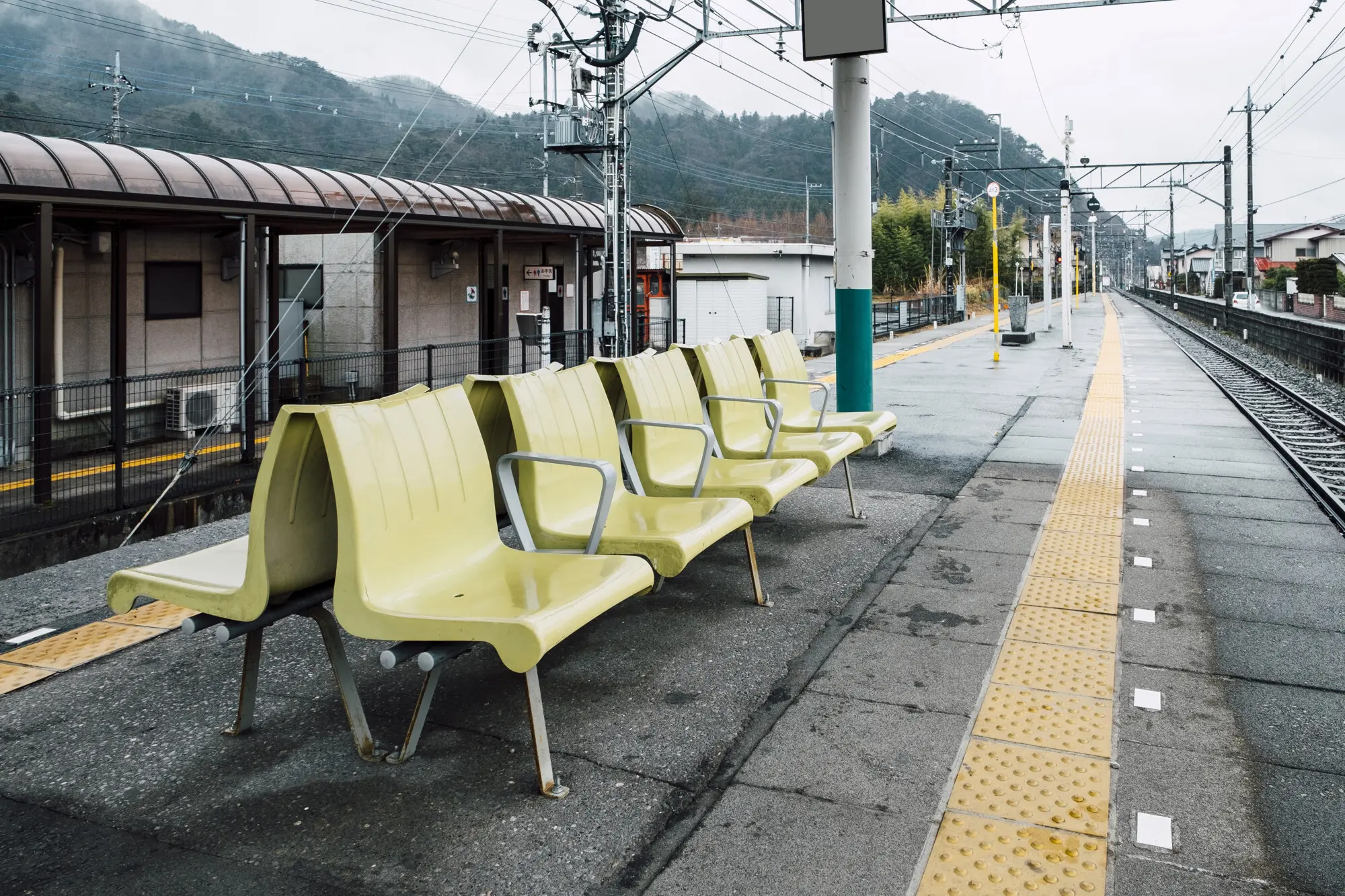
Pair rail stops with woodland entrances to keep your day delightfully simple. Trains to Tring place you within reach of Ashridge’s famed rides; Brussels to Halle links to Hallerbos buses; suburban lines deliver you near city-edge woods where paths begin a short walk from stations. Always confirm last departures, carry a downloaded map, and reward yourself with a café stop at journey’s end.

Respect the Carpet

Bluebells bruise easily, and crushed leaves can doom next year’s bloom. Stay on marked paths, step aside at durable surfaces, and keep dogs close to avoid straying feet. Pack out litter, pocket a small bag for unexpected rubbish, and share quiet voices that let birdsong carry. Each mindful choice protects bulbs, soil, and the shared hush that makes these woods unforgettable.

Bluebell Wonderlands Without the Wheel

When spring drapes the forest floor in violet haze, the magic is best met at walking pace, arriving by train or bus and stepping straight into birdsong. Think of reachable havens like Ashridge near Tring, Hallerbos via Halle, or local community woodlands, where delicate bulbs thrive beneath ancient canopies. We’ll show you timing, routes, and gentle habits that keep the blue carpets blooming for everyone.

Your Car‑Free Toolkit

Trains That Open Forest Gates

Use national journey planners to locate stations near woodlands, then refine with ranger websites or walking forums. Look for off‑peak services that land you before crowds, and consider split tickets for savings. If bringing a folding bike, confirm carriage rules. Jot down return options, including slightly earlier trains, so unhurried moments among trees never become last‑minute sprints back to the platform.

Buses, Shuttles, and Hail‑and‑Ride

Rural buses unlock trailheads beyond the rail line’s reach. Some gardens and arboreta run seasonal shuttles; others have hail‑and‑ride stretches that stop on request. Screen‑grab timetables, note infrequent Sunday services, and carry a contactless card plus small cash backup. When connections are sparse, treat the waiting time as part of the adventure, savoring a bakery stop or village green bench.

Last‑Mile Magic

The final walk from stop to woodland sets the day’s rhythm. Download routes from OS Maps or Komoot, and carry a simple paper backup. Waymarks can fade under leaves, so trust bearings and landmarks. Choose gentle gradients for family groups, and celebrate pauses: a robin’s trill, sunbeams on moss, children counting bell clusters. The last mile is your invitation to arrive fully.

The Art of Slow Trails

Let the forest set the metronome. Shorter loops, frequent pauses, and playful observations reveal more than hurried miles. Notice how bluebells cluster where light filters wider, and how oak buds unfurl like tiny lanterns. Sketch, journal, or record birdsong to deepen memory. Slow adventures belong to everyone—seasoned hikers, wide‑eyed little ones, and friends rediscovering strolling as a restorative, shared ritual.

Family‑Friendly Routes

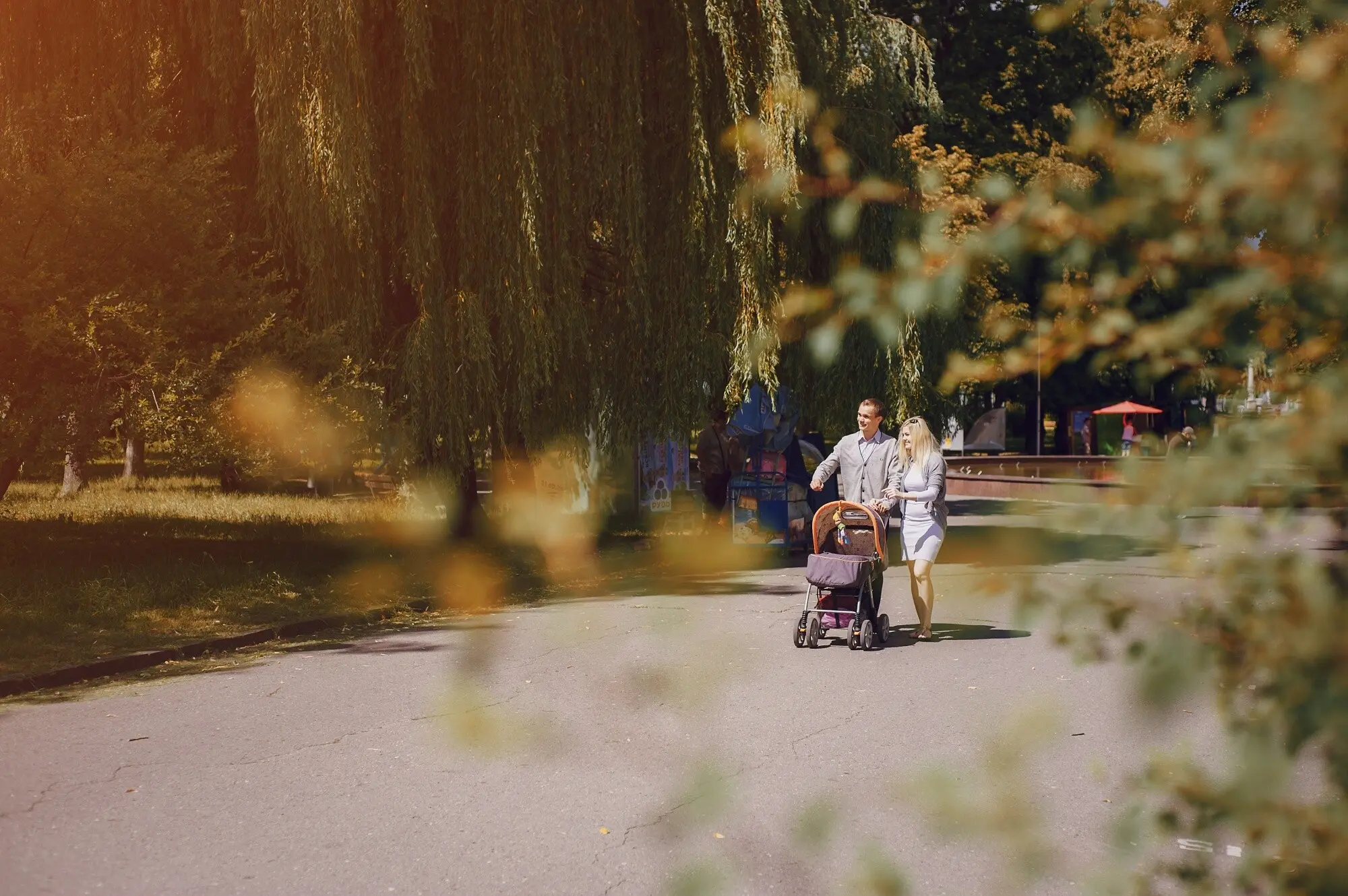
Look for wide paths, boardwalk sections, and gentle gradients suitable for small legs and strollers. Nearby facilities—loos, cafés, sheltered benches—transform wobbly moments into smiles. Turn the walk into a game: count bell clusters, spot emerging ferns, and listen for woodpecker taps. Promise a warm drink after the loop, and capture a family snapshot where petals and laughter naturally mingle.
Photography and Light

Arrive early for low, slanting light that turns petals luminous and reveals mist like silk. Keep to paths; never step into flowers for a shot. Use a simple reflector or white card to soften shadows, and stabilize with a beanbag instead of tripods where space is tight. Remember that patience, not gear, turns fleeting glimmers into story‑rich, respectful frames.
Leave No Trace Essentials

Carry a tiny sit‑pad instead of perching among flowers, and snack well away from blooms to deter crumbs and scavengers. Keep dogs near, avoid muddy shortcuts, and skip foraged bouquets—photograph memories instead. Even micro actions matter: wiping boots before trips reduces invasive seeds, while sharing etiquette kindly helps newcomers feel included, capable, and proud to guard these living tapestries.

Autumn’s Fiery Galleries

When summer eases into gold, rail lines and bus routes lead to shimmering canopies. Think Westonbirt’s Japanese maples, Kew’s riverside brilliance, the New Forest’s copper beech avenues, or Pitlochry’s Faskally reflections. Check garden colour maps, local forecasts, and wind patterns that hasten leaf‑fall. Arrive unhurried, wander loop trails, and watch sunlight ignite leaves like stained glass held gently against a vast blue sky.

Stories from the Path

Real journeys teach best. We’ve gathered notes from walkers who swapped car keys for day tickets and found more than scenery: camaraderie on platforms, kindness from drivers, and the hum of places waking with light. Their reflections illuminate patience, timing, and the deep contentment of arriving lightly, treading softly, and leaving with pockets full of pine scent and quietly radiant gratitude.

A Blue Haze After Desk Hours

She boarded the 17:12 with a thermos and a paperback, stepping off into a twilight kiss of bells and birds. Twenty quiet minutes from the station, she watched midges sparkle and emails dissolve. Home by nine, she slept easier, convinced that small, car‑free microadventures can cradle weekdays gently, refreshing courage to protect fragile places she now felt personally responsible for.

Three Generations Under Copper Beeches

Granddad set the pace, the toddler set the soundtrack, and the bus driver waved, remembering their pram on last year’s spring loop. They picnicked beside a hedge where wind softened. When a shower passed, sunlight poured through beech leaves like liquid amber. They voted to return by train each season, measuring growth in shoe sizes and widening, wonderstruck eyes.

A Solo Saturday of Forest Baths

He arrived with nothing urgent except breath. Without a car clocking miles, he meandered, counting chickadee calls, touching bark, and noting the generosity of strangers sharing directions. On the ride back, a child pressed a leaf through the seat gap, grinning. That single, crinkled treasure became a vow to keep choosing slower doors into wild light.

Layers, Feet, and Comfort

Start with breathable bases, add warm midlayers, and finish with a light shell that shrugs off breezes and showers. Wool socks cushion long walks; blister plasters weigh almost nothing yet save days. Gloves and a compact beanie extend comfort toward dusk. Remember that contented feet notice more birds, kinder conversations, and the soft percussion of leaves landing like gentle, improvised applause.

Snacks, Thermos, and Local Cafés

Pack sturdy snacks that survive a backpack: oat bars, nuts, crisp apples. A thermos turns a cold bench into a feast with steam. When routes end near villages, choose independent cafés, learn a story from the barista, and let your fare support stewardship. Food tastes richer after miles, especially when earned by footsteps, trains, and the kindness of shared routes.
Tavolentodexomexopentotunodari
Privacy Overview

This website uses cookies so that we can provide you with the best user experience possible. Cookie information is stored in your browser and performs functions such as recognising you when you return to our website and helping our team to understand which sections of the website you find most interesting and useful.