Rolling Into the Woods Without a Car
Car-Free Gateways to Green
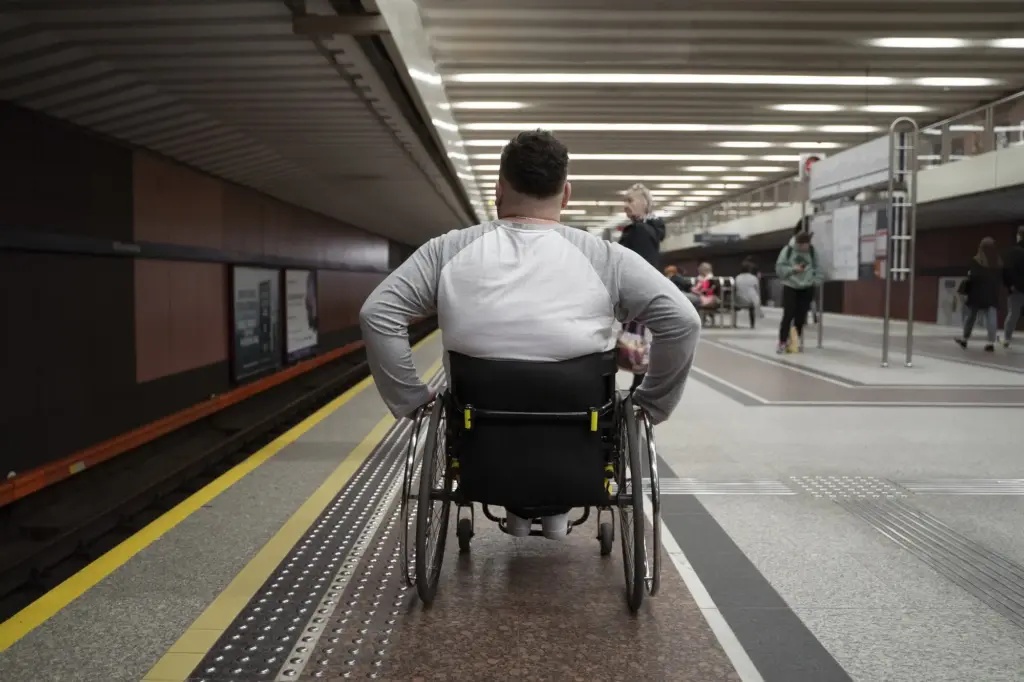
From Station to Trailhead
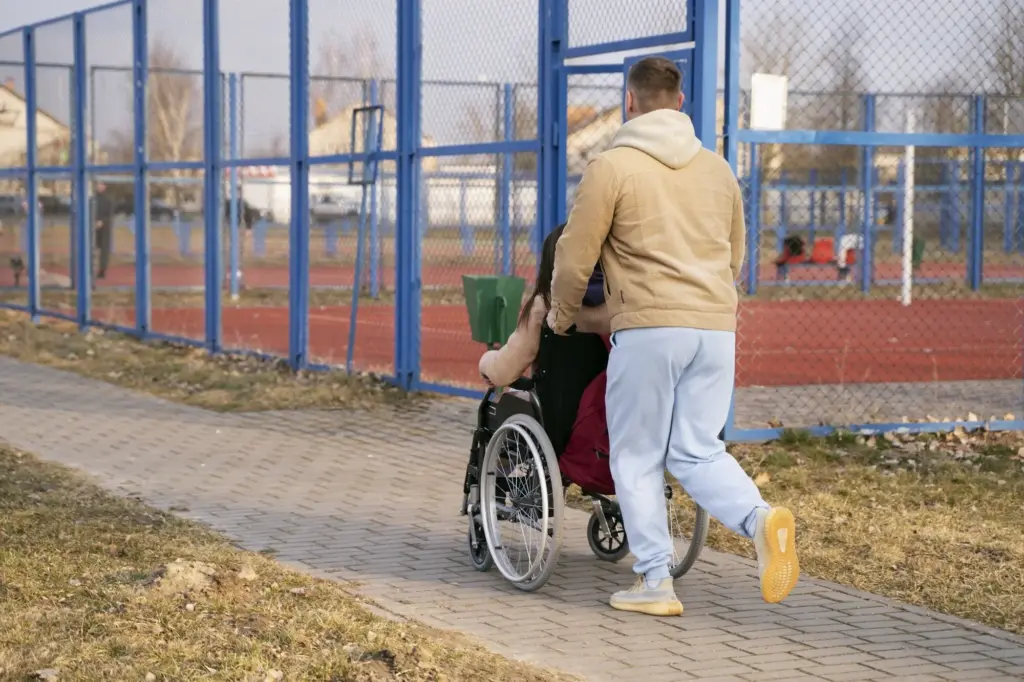
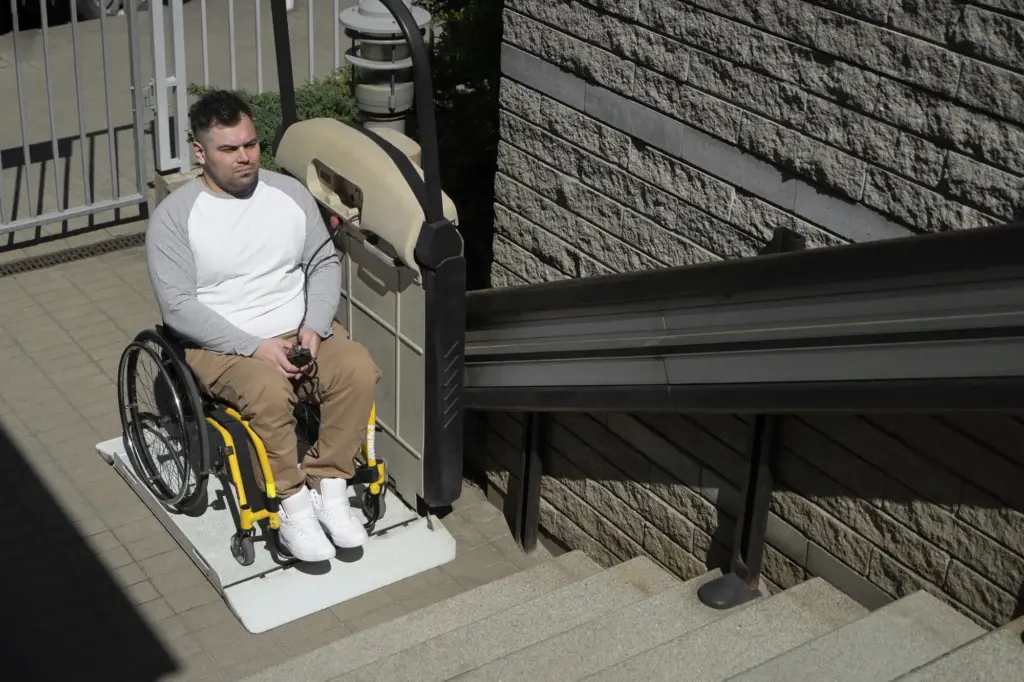
Low-Floor Buses and Step-Free Access

Timing the Trip

Smooth, Gentle, and Secure Under Wheels
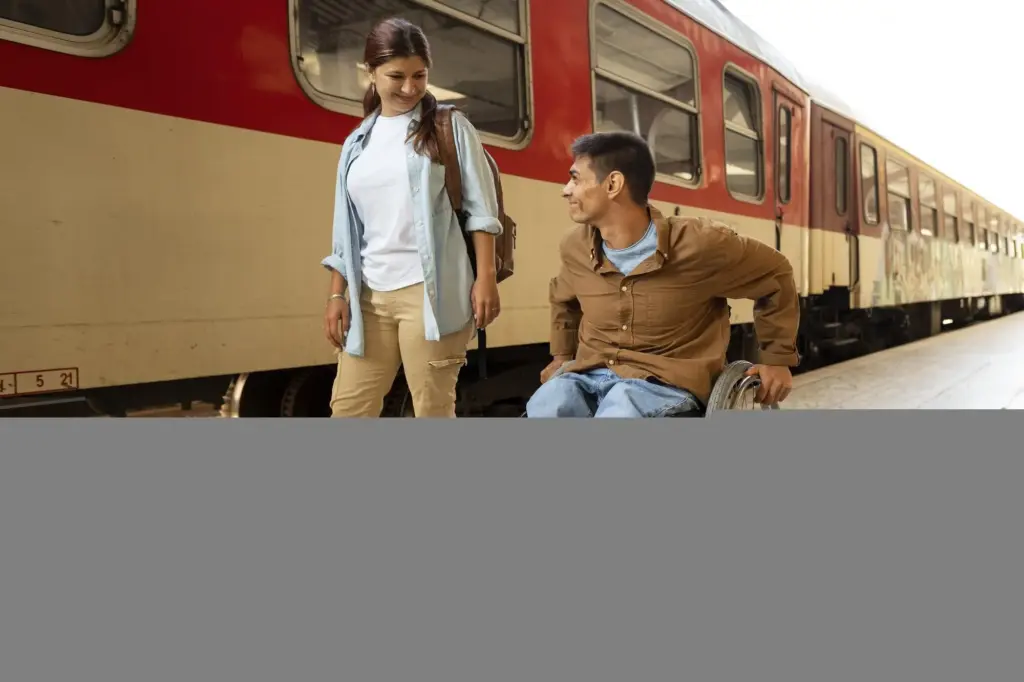
Gear That Makes the Journey Easier
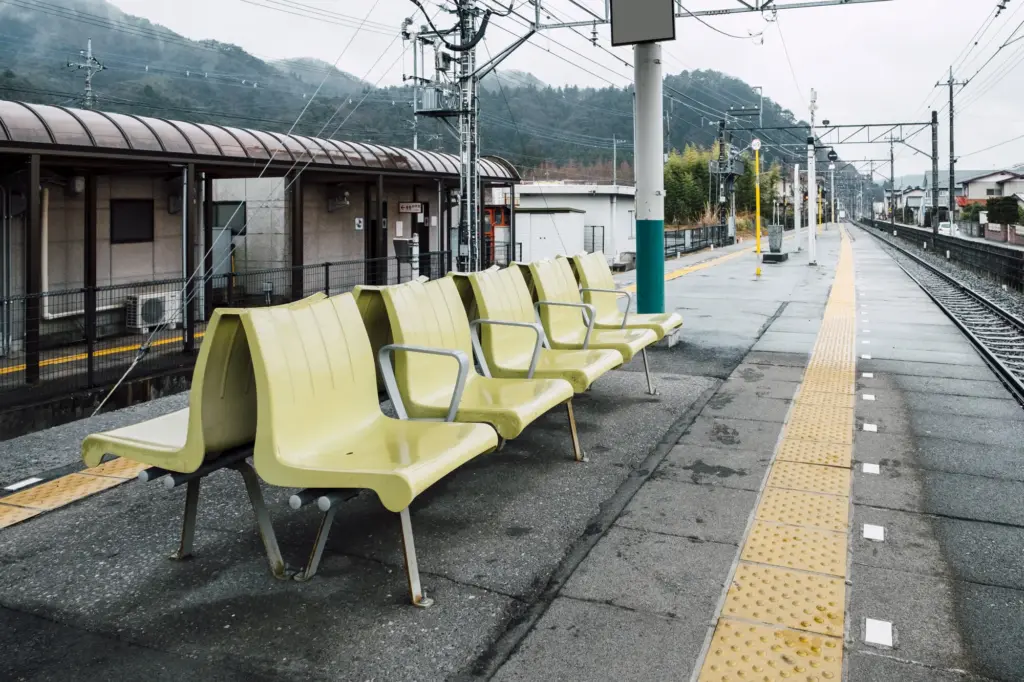
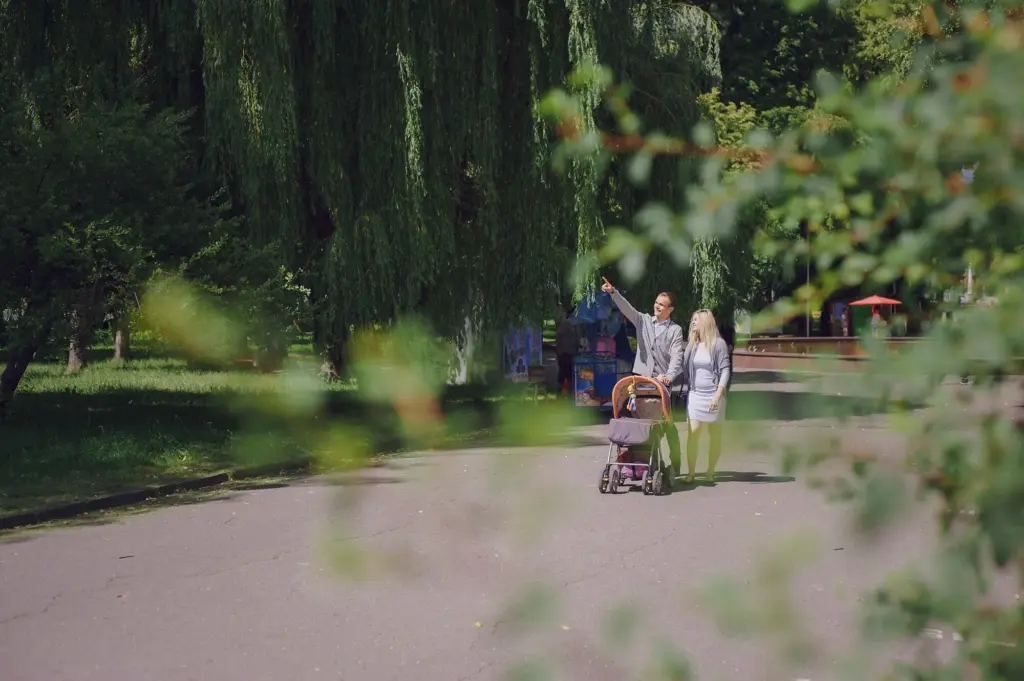
Strollers Built for the Woods
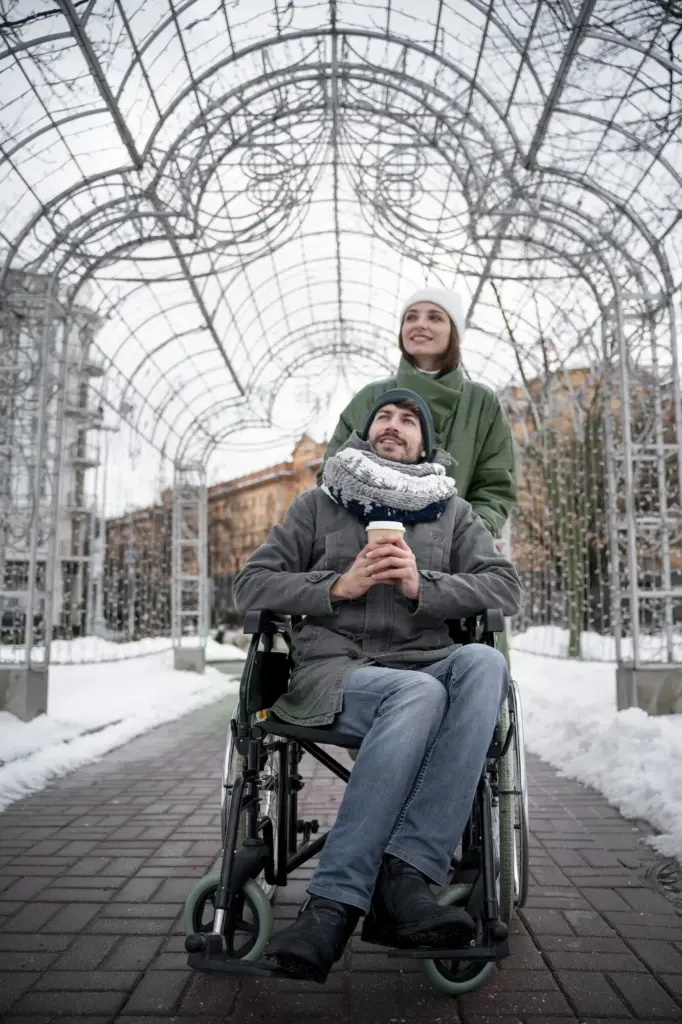
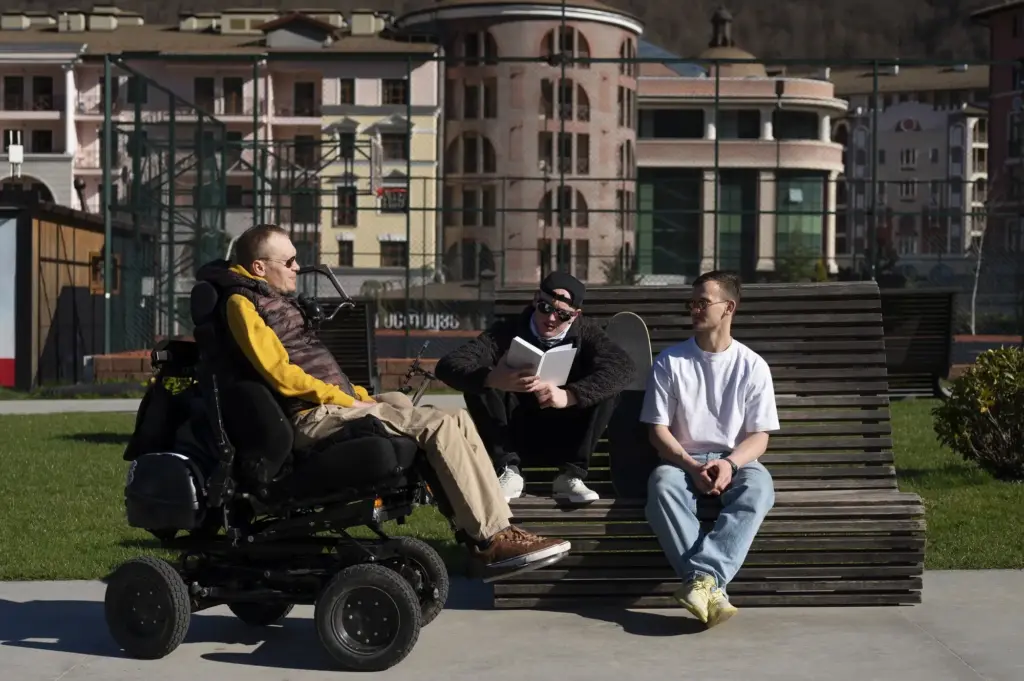
Wheelchair Tweaks for Forest Comfort
Packing the Smart Way
Real Moments from Real Paths

Kindness, Courtesy, and the Living Forest
Sharing Space Without Stress
Leave No Trace with Little Ones
Wildlife Watching, Gently
Maps, Apps, and People Who Help
Finding Trusted Information
Look for park pages that list step-free entrances, surface types, and seasonal maintenance. Some apps highlight wheelchair-friendly and stroller-ready routes, letting you filter for distance, elevation, and transit connections. Cross-check photos to confirm path width and edges. A saved offline map protects against signal dips, turning uncertainty into a calm, navigable pause rather than a disorienting scramble.
Report Back and Uplift Others
After your visit, post surface conditions, elevator status, temporary closures, and resting spots with shade. Share whether gates latched easily and if bridge joints rattled wheels. Short videos of tricky corners help future visitors decide confidently. By contributing data, you create momentum that travels farther than footprints, shaping gentle experiences for strangers who will soon feel like neighbors.
Join the Conversation
Connect with local disability advocates, parent groups, and transit riders who love green spaces. Ask for route suggestions with exact stop names and accessible exits, then return with updates. Over time, a living list of dependable, car-free woodland escapes emerges. Community knowledge turns isolated attempts into an evolving map of joy, resilience, and shared belonging beneath welcoming canopies.

All Rights Reserved.